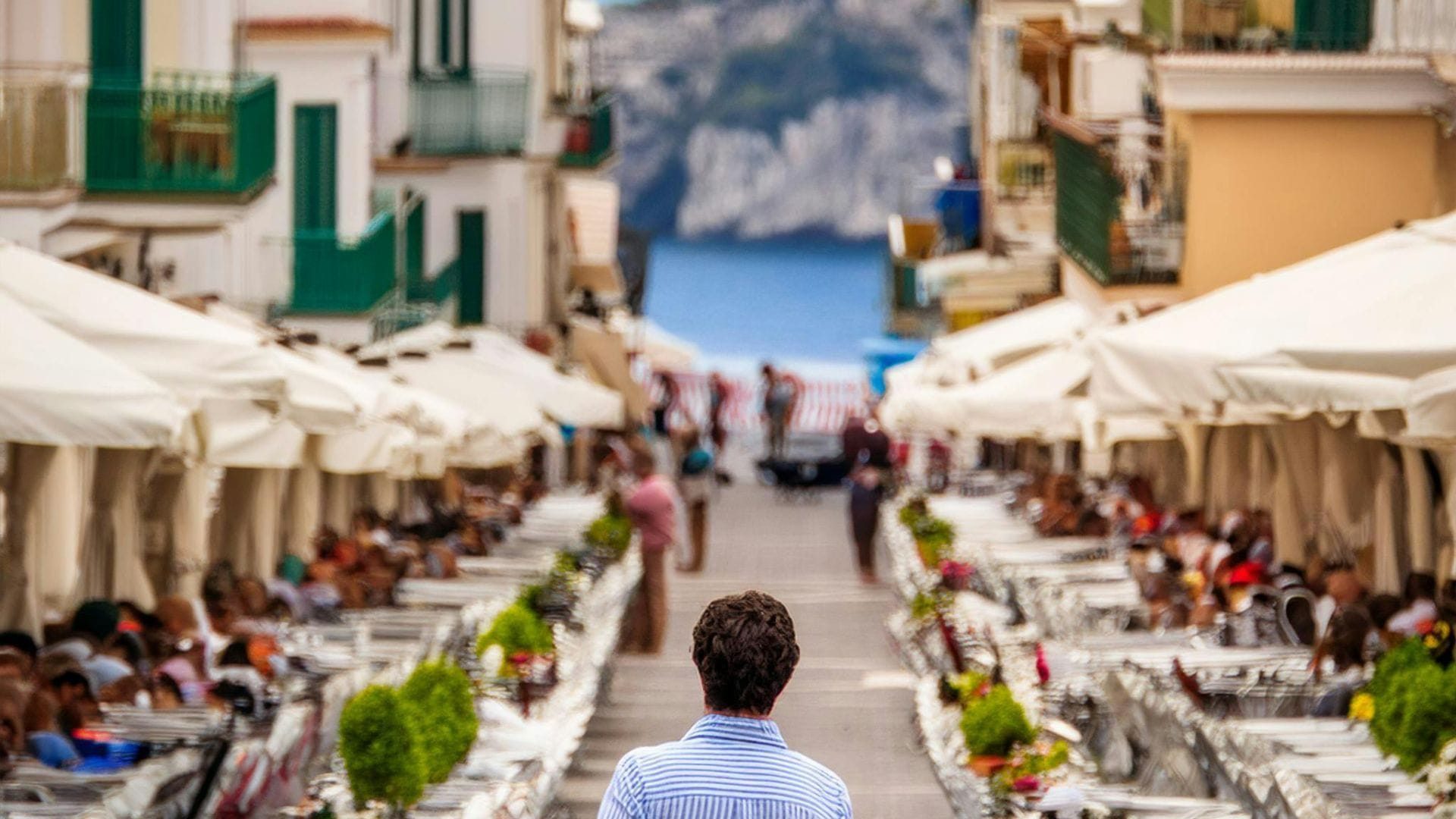
If there is one phrase that captures the imagination of travelers, students of Italian, and lovers of culture, it is la dolce vita. You have probably seen it in films, heard it in songs, or read it in travel blogs. But what does it really mean? And more importantly—how can you experience la dolce vita when you come to Italy?
In this article, we’ll uncover the true meaning behind la dolce vita, its cultural roots, and why it still matters today. From Fellini’s iconic Rome to the everyday joys of coffee, food, and language, you’ll find a lifestyle that goes far beyond the words. And by the end, you may be inspired not only to plan your next Italian trip, but to start learning Italian through la dolce vita with us.
Table of Contents
What Does La Dolce Vita Mean in Italian?
Literally, la dolce vita translates as “the sweet life”. But don’t be fooled—it’s not just about desserts or indulgence. The phrase expresses a way of living: enjoying beauty, savoring small pleasures, embracing leisure, and celebrating togetherness.
In English-speaking countries, people often ask: what does la dolce vita mean in Italian? The answer lies in the Italian attitude toward time and pleasure. Unlike the hustle culture found elsewhere, Italians value balance: work is important, but life should be enjoyed fully.
Think of an espresso at a sunny piazza, a Sunday lunch with family, or an evening walk through historic streets—that’s la dolce vita in action.
The Dolce Vita Rome – Fellini’s Iconic Movie Explained
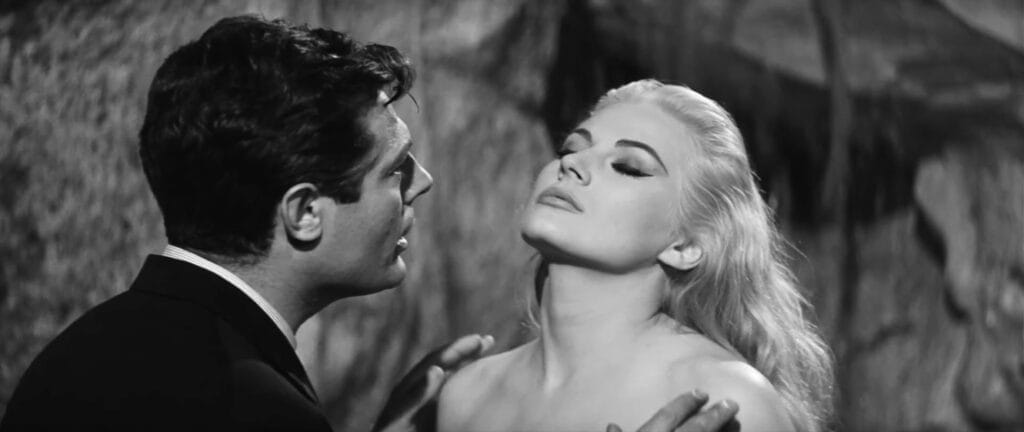
No discussion of la dolce vita is complete without mentioning Federico Fellini’s 1960 masterpiece “La Dolce Vita.” The film, set in Rome, follows journalist Marcello Rubini as he navigates the glamorous yet decadent lifestyle of the Roman elite.
The famous Trevi Fountain scene with Anita Ekberg calling, “Marcello, come here!” became a global symbol of Italy. But beyond glamour, Fellini’s film was also a social critique—questioning whether this “sweet life” was truly fulfilling, or an illusion of happiness.
Still today, La Dolce Vita the movie is considered a cultural milestone. If you’ve never seen it, it’s worth watching (you can find more on Cinecittà’s official site), especially before visiting Rome.
La Dolce Vita in Italian Culture and History
While Fellini gave the phrase worldwide fame, the idea of la dolce vita existed long before. Italy has always been associated with art, beauty, and il bel vivere—the good life. From Renaissance Florence to baroque Rome, from operas to slow food, Italians have long cultivated a culture where enjoying life is central.
Even today, you’ll see it in the Italian rhythm of life:
- Long meals with family and friends.
- Cafés as social hubs.
- A focus on quality over quantity.
- A love for beauty, whether in fashion, architecture, or everyday gestures.
In fact, some sociologists argue that la dolce vita has become part of the Italian identity itself—one of the reasons millions of visitors are drawn to the country every year.
How to Experience La Dolce Vita in Italy Today
So, how can you live la dolce vita when you visit Italy? Here are a few ideas:
- Slow down – Don’t rush through ten cities in five days. Take your time in one place, walk, and let the city reveal itself.
- Eat like Italians do – Enjoy long lunches, taste local wines, and don’t skip the gelato.
- Embrace the piazza life – Spend an evening people-watching in Rome, Florence, or a small town square.
- Appreciate beauty – Visit museums, but also notice details: a fountain, a door, a sunset over rooftops.
- Learn a little Italian – Even basic phrases will open doors and smiles.
Travel isn’t just about seeing places; it’s about living them. That’s why we say: travel Italy the dolce vita way.
Travel Italy the Dolce Vita Way – A Lifestyle Guide
Experiencing la dolce vita doesn’t mean luxury. In fact, it’s often found in the simplest moments. Here’s a quick lifestyle guide to bring some of it into your own life:
- Morning ritual: Start your day with an espresso, standing at the bar, like Italians do.
- Lunch break: Instead of eating at your desk, sit down and share food with friends.
- Evening stroll (passeggiata): Take time for a walk after dinner, enjoy the atmosphere.
- Weekend adventures: Visit markets, explore small towns, and enjoy nature.
Even if you’re not in Italy, you can still adopt the la dolce vita lifestyle wherever you live. It’s about mindset: appreciating moments, not just chasing goals.
Learning Italian Through La Dolce Vita
Here’s the fun part: you can learn Italian while discovering la dolce vita. Language and culture go hand in hand—when you learn expressions like che bello! or che dolce vita!, you’re not just learning grammar, but also the Italian spirit.
👉 At TheItalianLesson.com, all our content is created by native teachers who live la dolce vita every day. Explore:
- Online Group Courses to practice live with native speakers.
- Video Courses for flexible learning.
- Our Blog with articles about Italian language and culture.
- Our Podcast for listening on the go.
- YouTube Channel with fun dialogues and real-life Italian.
- Facebook Page for updates and community.
The Meaning Behind La Dolce Vita Expression
To sum it up, la dolce vita is more than just a phrase. It’s:
- A film that shaped Italian cinema.
- A lifestyle rooted in culture and history.
- A way of experiencing Italy as a traveler.
- A philosophy of slowing down and savoring life.
Whether you’re planning your first trip to Rome, sipping cappuccino in Florence, or starting to learn Italian online, remember: la dolce vita is not just in Italy—it can be a part of your daily life.
✨ Ready to Start Your Own Dolce Vita Journey?
If this article made you dream of Italy, why not take the next step?
Join our online courses and start learning Italian with native teachers. You’ll not only master the language—you’ll live la dolce vita from day one.